
Senior capstone, Fall 2026 to Winter 2027
OSUSat
A student-built climate science CubeSat from Oregon State, imaging Earth from low orbit to track vegetation and algal blooms.
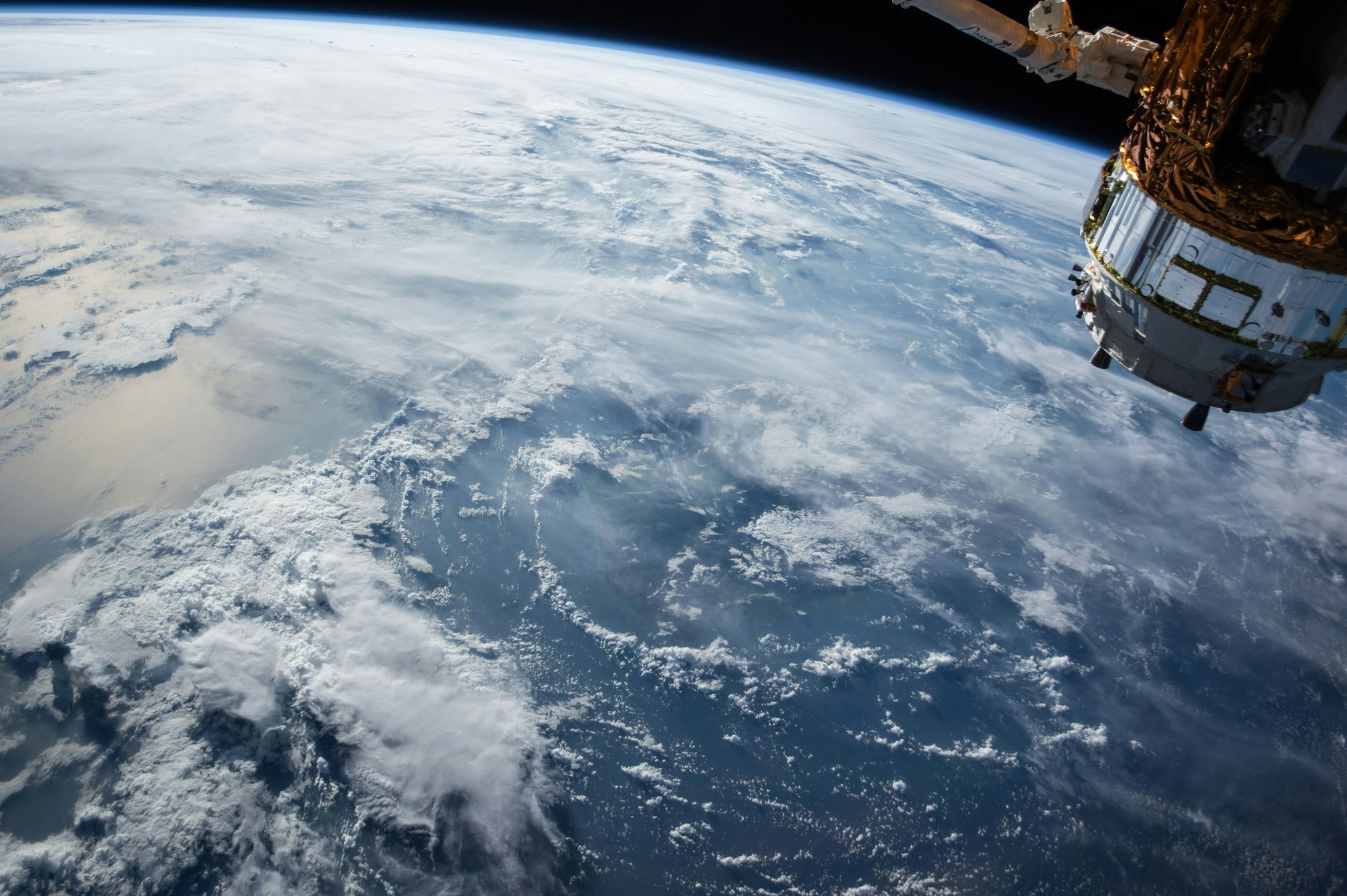
Watching the climate from low Earth orbit
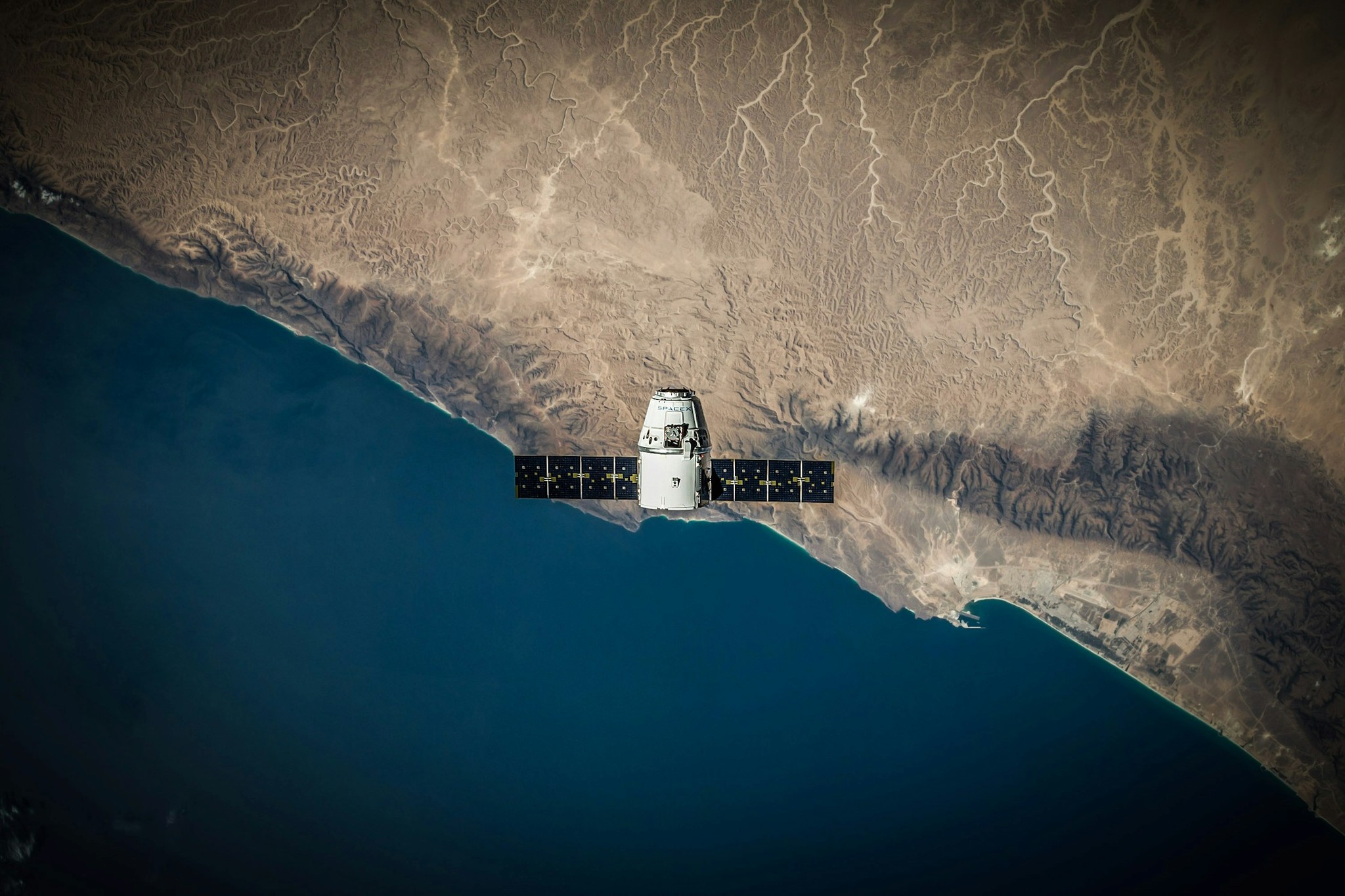
OSUSat is a LEO satellite built to capture high-resolution imagery and scientific data for climate research. Its camera payload measures NDVI and RBD to study vegetation health, oceanic algal blooms and cloud formations. An on-board computer handles command and telemetry.
Mission overview- 6
- body-mounted solar faces
- 4 × 18650
- Li-ion cells in two packs
- 435-438 MHz
- amateur UHF downlink
- NDVI + RBD
- vegetation and algal bloom indices
Subsystems
The satellite is split into six subsystems. Select one for its hardware, firmware and status.
New to OSUSat? Start here.
- Get the code
- Install the toolchain
- Build and test
- Make your first contribution
- Know the standards
Senior capstone
Our senior capstone team is building OSUSat’s electrical subsystems from Fall 2026 through Winter 2027. [Add one or two sentences on what the team will deliver by the end of Winter term.]
- Team
- Max Leibowitz
- Eric Niegel
- Genevieve Desrosiers
- Griffin Ziemer
- Steven Vo
- Bennett Reichart
- Lucas Buchanan
- Max Emrich
- Trevor Morley
- Faculty advisor
- [Name]
- Milestones
- [Fall: design reviews], [Winter: integration and test]
Team
- Chief Engineer
- Ethan Eggert
- Program Manager
- Jackson Gordon
- Steward
- Max Leibowitz
- Structures
- Eric Niegel
- Electrical
- Genevieve Desrosiers
- Griffin Ziemer
- Steven Vo
- Members
- Bennett Reichart
- Ethan Hoofard
- Lucas Buchanan
- Max Emrich
- Trevor Morley